
Composite Bushings
Composite bushings are a type of sliding bearing that use a composite material structure, which can achieve low friction and reliable operation while reducing the need for external lubrication. This kind of oilless bearing is suitable for a wide range of industrial applications.
What Are Composite Bushings?
Composite bushings are sliding bearings made from multiple material layers or components. This composite structure combines mechanical strength with a low-friction sliding surface.
According to material structure and application requirements, composite bushings can use PTFE or POM-based sliding layer, and be supported by a metal backing. They are usually used in industry applications, which require reliable sliding performance, reduced friction, reduced lubrication or low maintenance requirements.
Composite Bushing Product Types
PTFE Composite Bushings
PTFE Plain Bushings
Straight PTFE composite bushings for standard radial loads, offering low-friction and maintenance-reduced operation.
PTFE Flanged Bushings
Flanged PTFE composite bushings for applications requiring axial positioning and sliding support.
PTFE Thrust Washers
PTFE composite thrust washers designed to accommodate axial loads with low-friction sliding performance.


POM Composite Bushings
POM Plain Bushings
POM-based composite plain bushings designed for reliable sliding performance and maintenance-free operation.
POM Flanged Bushings
POM composite flanged bushings for applications requiring radial support with additional axial positioning.
POM Thrust Washers
POM composite thrust washers designed for axial load and sliding applications.
Composite Bushing Structure
Composite bushings provide reliable sliding performance, because their structure is sliding layers and supporting material such as carbon steel or stainless steel. The internal structure varies between PTFE and POM composite designs. Each material system can meet different application requirements. See Technical Data for our PTFE/POM Composite Bushings.
PTFE Composite Bushing structure

- 1PTFE Sliding LayerLow-friction sliding surface.
- 2Intermediate LayerProvides bonding and structural support.
- 3Steel BackingProvides strength and dimensional stability.
- 4copper-plating/tin-platingEnhances corrosion protection and surface compatibility.
PTFE composite bushings typically consist of a steel backing, a porous intermediate layer and a PTFE-based sliding layer. The steel backing provides mechanical strength and dimensional stability, the intermediate layer bonds the sliding material to the backing. The PTFE-based layer provides a low-friction sliding surface.
POM Composite Bushing Structure

- 1POM Sliding LayerProvides low-friction sliding performance.
- 2Bonding LayerProvides bonding and structural support.
- 3Steel BackingProvides strength and dimensional stability.
- 4copper-plating/tin-platingEnhances corrosion protection and surface compatibility.
POM composite bushings use a composite structure, a steel backing with a sintered or bonded sliding layer and POM-based material. The structure provides mechanical support while the POM-based sliding surface is designed for reliable low-friction operation.
PTFE vs POM Composite Bushings
| Comparison | PTFE Composite Bushings | POM Composite Bushings |
|---|---|---|
| Sliding Surface | PTFE-based sliding layer | POM-based sliding layer |
| Friction | Very low friction, suitable for dry operation | Reliable low-friction sliding operation |
| Lubrication | Self-lubricating and maintenance-reduced | Reduced lubrication requirements |
| Structure | Steel backing with a porous intermediate layer and PTFE-based sliding layer | Steel backing with a sintered or bonded sliding layer and POM-based material |
| Best For | Low-friction, dry-running and demanding applications | Reliable general industrial sliding with lower cost |
Composite Bushing Features & Advantages
Designed to reduce friction during sliding operation.
Suitable for applications requiring reduced external lubrication.
Composite sliding layers (PTFE/POM) provide reliable wear performance.
Self-lubricating designs help reduce maintenance requirements.
Suitable for compact sliding bearing arrangements.
Available in different designs for radial and axial sliding applications.
Composite Bushing Materials & Lubrication
Materials
- Steel Backing — provides mechanical strength and dimensional stability.
- Sintered Bronze Intermediate Layer — bonds the sliding material to the backing.
- PTFE Sliding Layer — provides a low-friction sliding surface for dry operation.
- POM Sliding Layer — provides reliable sliding and wear characteristics.
- Copper/Tin Plating — enhances corrosion protection and surface compatibility.
Lubrication
- Dry Sliding (PTFE) — self-lubricating PTFE technology for oil-free and grease-free operation.
- Reduced Lubrication (POM) — POM-based sliding with lower lubrication requirements.
- Custom Lubrication Features — lubrication holes, grooves and pockets according to application requirements.
Composite Bushing Operating Conditions
Radial and axial load requirements.
Required sliding speed and movement frequency.
Wide operating temperature range for demanding applications.
Moisture, chemicals, dust and other environmental factors.
Lubrication conditions and maintenance requirements.
Custom sizes and tolerances based on application requirements.
Composite Bushing Applications
 Automotive Seats
Self-lubricating bushings for smooth seat adjustment and reliable positioning.
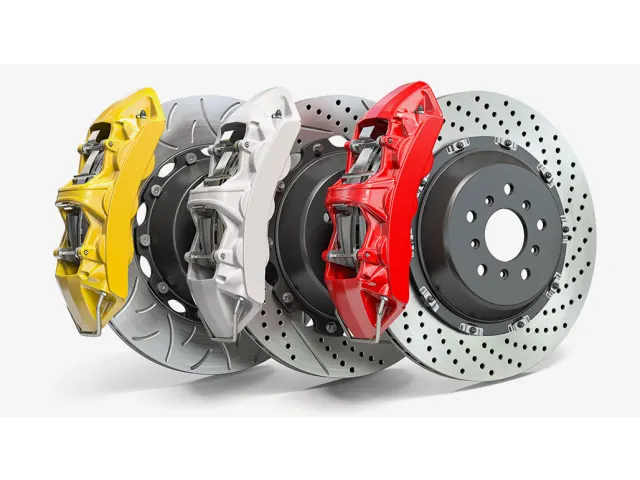 Brake Calipers
Low-friction bushings for reliable brake caliper sliding operation.
 Gear Pumps
Wear-resistant bushings for gear pump shafts under demanding operating conditions.
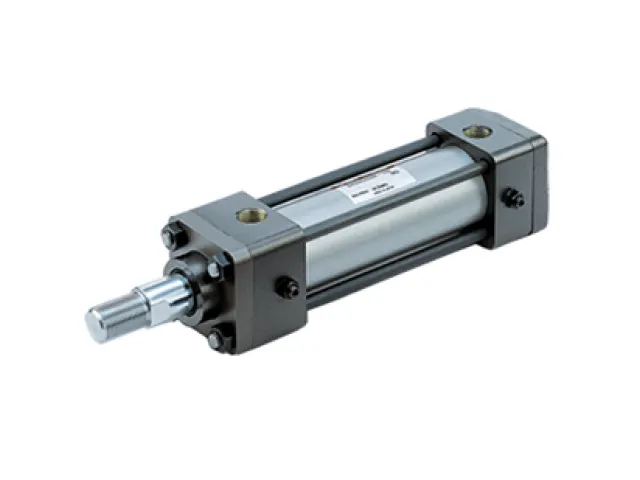 Hydraulic Cylinders
Low-friction bushings for hydraulic cylinders, actuators and pumps.
 Shock Absorbers
Durable bushings for shock absorber mounting and damping systems.
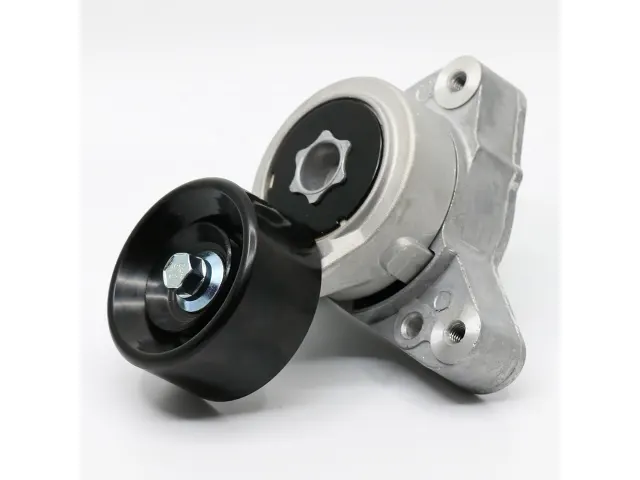 Tensioner Pulleys
Maintenance-free bushings for belt tensioner pulleys in engine systems.
How to Select Composite Bushings
Identify radial and axial loads.
Consider operating speed and movement frequency.
Check the actual operating temperature.
Review moisture, chemicals, dust and contaminants.
Choose the appropriate composite material based on the complete operating conditions.
Choose plain, flanged or thrust washer bushings with custom dimensions and tolerances.
Send us your application conditions and bushing dimensions if you need help selecting a suitable composite bushing.
Send an InquiryRelated Sliding Bearing Products


Composite Bushing FAQ
What are composite bushings?
Composite bushings are sliding bearings built from layered materials — a metal backing for strength and a low-friction sliding layer on top, usually PTFE or POM. That combination lets them run smoothly under load with little or no lubrication. You will find them in everything from car seats and brake calipers to pumps and hydraulic cylinders.
What is the difference between PTFE and POM composite bushings?
The main difference is the sliding material and what it is best at. PTFE bushings give the lowest friction and run dry without grease, which suits maintenance-free, low-speed or high-temperature jobs. POM bushings are tougher and more affordable, with reliable low friction and lower lubrication needs — a good everyday choice for general industrial equipment. Pick PTFE when you want minimal friction and no maintenance; pick POM when you need good wear at a better price.
Are composite bushings self-lubricating?
Yes, most of them are. PTFE-based composite bushings have a built-in solid lubricant in the sliding layer, so they work without any external oil or grease. POM-based bushings also run with very little lubrication. That is why they are often called self-lubricating or maintenance-free bearings.
Do composite bushings require external lubrication?
No for PTFE types — they run dry by design. POM types need little to no lubrication, but some applications add a bit of oil or grease for extra life. If your application already has a lubrication system, we can add holes, grooves or pockets to the bushing to match it.
How do I select the right composite bushing?
Start with your operating conditions: load, sliding speed, temperature and the environment. Then choose the material — PTFE for low friction and dry running, POM for general wear at lower cost. Next pick the shape: plain bushing, flanged bushing or thrust washer, and confirm the dimensions. If you are unsure, send us your application details and we will recommend a suitable bushing.
Need Composite Bushings for Your Application?
Tell us your required dimensions, material preference and operating conditions. We can help you identify a suitable composite bushing solution for your application.
Send an Inquiry