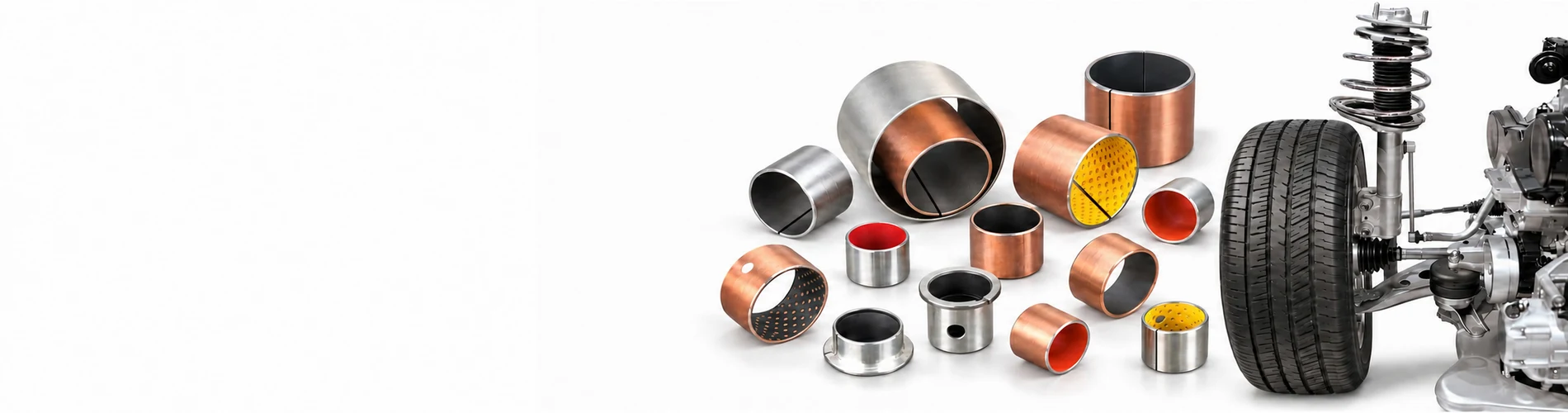
Shock Absorber Bushings
Low-friction bushing solutions for shock absorbers, struts and other suspension components.
What Does a Bushing Do in a Shock Absorber?
A bushing supports and guides the moving parts inside a shock absorber. It keeps the movement smooth and reduces friction and wear.
Guide the Moving Rod
The bushing helps guide the moving rod and keeps it aligned during operation.
Reduce Friction
A low-friction bushing helps the rod move smoothly with less resistance.
Handle Repeated Motion
The bushing works with repeated back-and-forth movement during shock absorber operation.
Reduce Wear
The right bushing helps reduce wear on the sliding surfaces and supports longer service life.
Shock Absorber Bushings Work Under Repeated Motion
A shock absorber bushing may move back and forth many times during operation. The bushing must handle repeated movement while keeping friction and wear under control.
Reciprocating Movement
The bushing works with repeated back-and-forth movement as the shock absorber moves.
Side Loads
Side loads can act on the bushing as the shock absorber moves and changes position.
Low Friction
Low friction helps the moving parts slide smoothly and reduces resistance during operation.
Long Operating Cycles
Shock absorbers can go through many operating cycles, so good wear resistance is important.
What Should a Shock Absorber Bushing Provide?
The right bushing needs to work smoothly under repeated movement. It should provide low friction, good wear resistance and stable performance over time.
Variable Loads
The load can change as the shock absorber moves, so the bushing must perform under changing operating conditions.
Wear Resistance
Good wear resistance helps the bushing handle repeated movement and extend service life.
Stable Clearance
Proper and stable clearance helps maintain smooth movement between the bushing and shaft.
Smooth Sliding
Smooth sliding helps reduce friction and keeps the shock absorber working consistently.
Bushing Solutions for Shock Absorbers
Different shock absorbers have different operating conditions. We supply PTFE composite bushings for applications that require low friction, smooth sliding and good wear resistance.
PTFE Composite Bushings for Low-Friction Sliding
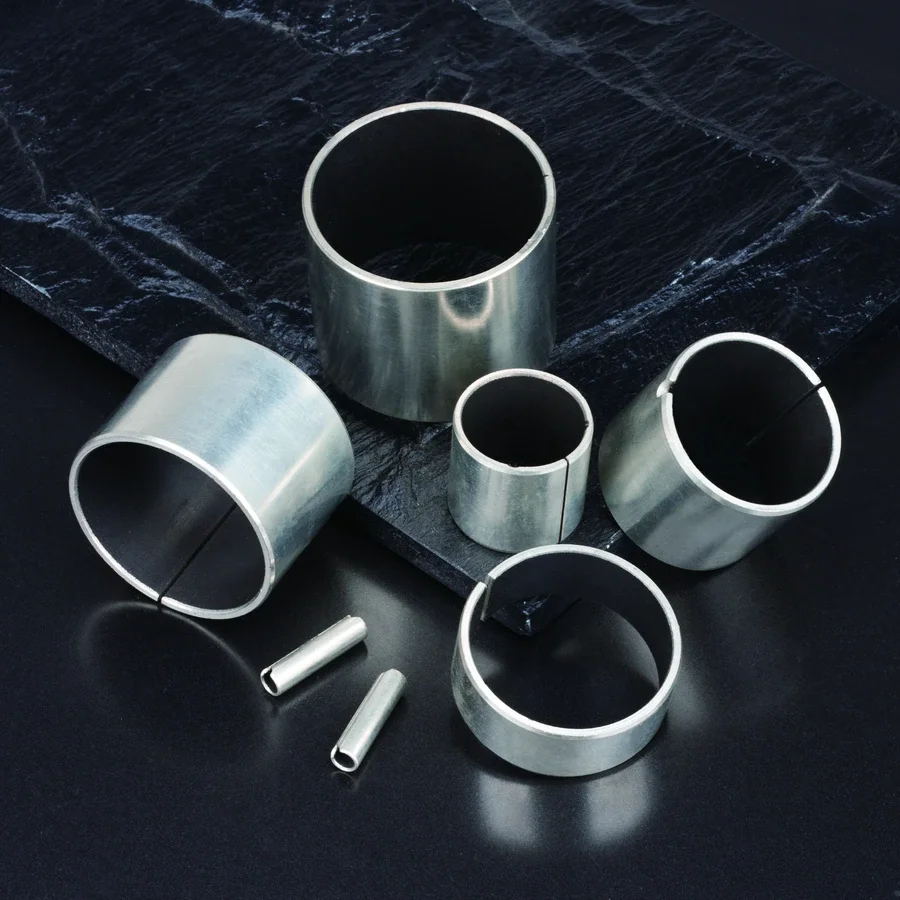
PTFE composite bushings provide low friction and smooth sliding. They support dry running with little or no external lubrication and are suitable for repeated sliding movement.
See our PTFE Composite Bushings for more details.


Not All Shock Absorber Applications Are the Same
Shock absorbers can work under different loads, speeds and movement conditions. These differences can affect the bushing material, size and design you need.
Repeated Movement
The bushing may move back and forth many times during operation. Good wear resistance is important for repeated movement.
Variable Loads
The load on the bushing can change as the shock absorber moves. The bushing needs to match the actual load conditions.
Different Speeds
Sliding speed affects friction and wear. The bushing should be selected for the actual operating speed.
Temperature Changes
Shock absorbers can work across changing temperatures. The bushing material should remain stable under the expected temperature range.
Shock Absorber Bushing vs. Suspension Bushing
These two types of bushings are used in different parts of a vehicle suspension system. Their design and working conditions can also be different.
Shock Absorber Bushing
A shock absorber bushing supports and guides moving parts in a shock absorber or strut assembly. Low friction and wear resistance are important because of the repeated sliding movement.
Suspension Bushing
A suspension bushing is used at suspension joints such as control arms and linkages. It often needs to handle movement, vibration and changing loads.
The right bushing depends on where it is used and how it moves.
Typical Shock Absorber Applications
Shock absorbers are used in different vehicles and equipment. The bushing requirements can change with the load, movement and working environment.

Automotive Shock Absorbers
Used in passenger cars and other road vehicles. The bushing works with repeated suspension movement and needs low friction and good wear resistance.
Strut Assemblies
A bushing can guide moving parts in a strut assembly. Smooth sliding and stable clearance are important for proper movement.
Off-Road Vehicles
Off-road vehicles can place higher and more variable loads on suspension components. The bushing needs to handle repeated movement and changing loads.
Commercial Vehicles
Trucks and other commercial vehicles can operate under heavier loads and longer working cycles. Bushing selection should match the actual load and movement conditions.
Other Shock Absorber Systems
Shock absorbers are also used in machinery and equipment. The right bushing depends on the design, load, speed, movement and operating environment.
How to Select a Shock Absorber Bushing
The right bushing depends on the actual design and working conditions. Check these points before selecting a bushing.
Dimensions
Start with the basic dimensions. Check the inner diameter, outer diameter, length and available installation space.
Load
Find out the load acting on the bushing during operation. The load can change as the shock absorber moves.
Movement
Check how the bushing moves during operation. Repeated back-and-forth movement can affect friction and wear.
Speed
Sliding speed affects friction and wear. Select a bushing that matches the actual movement speed.

Temperature
Check the normal and maximum operating temperature. The bushing material should remain stable within the expected temperature range.
Clearance
The clearance between the bushing and shaft affects movement and wear. It should match the bushing design and operating conditions.
Shaft
Check the shaft material, hardness and surface finish. The shaft and bushing work together, so both need to be considered.
Lubrication
Find out whether external lubrication is available or required. Some applications need a bushing that can run with little or no external lubrication.
Need help selecting the right bushing? Send us the bushing dimensions, load, movement, speed and operating conditions. We can help check a suitable bushing construction.
Shock Absorber Bushing FAQ
What is a shock absorber bushing?
A shock absorber bushing is a bearing component used to support and guide moving parts in a shock absorber or strut assembly. It helps reduce friction and wear during repeated movement.
What does a bushing do in a shock absorber?
The bushing helps guide the moving rod and keep it aligned. It also provides a low-friction sliding surface and helps reduce wear during operation.
What material is used for shock absorber bushings?
The material depends on the shock absorber design and operating conditions. Rubber, polyurethane, PTFE composite and other bearing materials can be used for different applications.
Can PTFE composite bushings be used in shock absorbers?
Yes, PTFE composite bushings can be used in shock absorber applications that require low friction, smooth sliding and good wear resistance. The actual load, speed, movement and temperature should be checked before selection.
Do shock absorber bushings need lubrication?
It depends on the bushing design. Some bushings need external lubrication, while self-lubricating designs can work with little or no external lubrication.
What is the difference between a shock absorber bushing and a suspension bushing?
A shock absorber bushing is used in a shock absorber or strut assembly and may work with repeated sliding movement. A suspension bushing is used at suspension joints such as control arms and linkages. Their designs and working conditions can be different.
How long does a shock absorber bushing last?
Service life depends on load, movement, speed, temperature, shaft condition and the working environment. A bushing that is correctly matched to the operating conditions can provide longer and more stable service.
How do I select a shock absorber bushing?
Start with the bushing dimensions, load, movement, speed and temperature. Also check clearance, shaft condition and lubrication requirements. These factors help determine the suitable bushing material and design.
Related Bearing Solutions
Looking for a different bearing construction? Explore our other self-lubricating bearing solutions:
Need a Bushing for Your Shock Absorber?
Send us your bushing dimensions, load, movement, speed and operating conditions. We can help you check the suitable bearing construction.
Send an Inquiry