
Packaging Machine Bushings
Bushings for guides, pivots, rollers and other moving parts in packaging equipment. GLARY supplies composite, solid lubricated, bimetal, sintered and bronze-wrapped bushings for different loads, speeds, movements and lubrication conditions.
Where Are Bushings Used in Packaging Machines?
Packaging machines have many moving joints. Bushings are commonly used where a pin or shaft needs to rotate, swing, slide or move repeatedly.
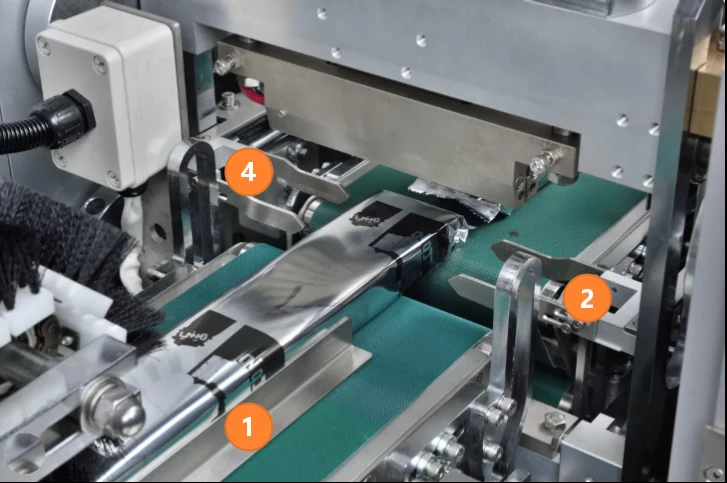
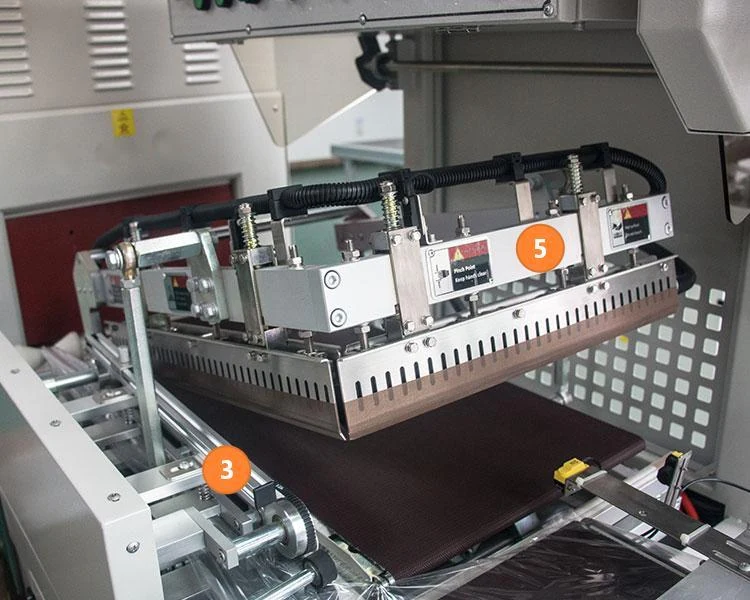
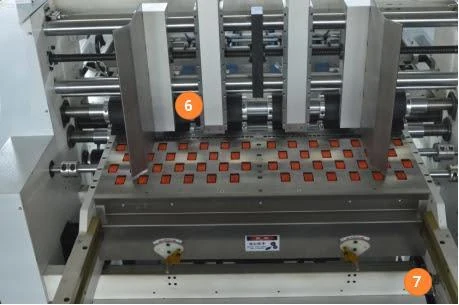
Guide Mechanisms
Used where a shaft, pin or moving part needs controlled movement with low friction.
Pivots & Linkages
Bushings support pins at pivot points and help control clearance as the linkage moves through repeated cycles.
Roller Shafts
Bushings can support rotating shafts or pins in rollers and transfer mechanisms.
Clamping Mechanisms
Repeated opening and closing puts the pivot points through constant movement and load.
Sealing Mechanisms
Sealing mechanisms often use repeated short movements. The bushing needs to handle repeated motion without excessive clearance or friction.
Cam & Follower Mechanisms
The bearing position can see repeated contact, changing loads and frequent movement.
Transfer Mechanisms
Moving and transfer mechanisms can combine rotation, oscillation and repeated cycles.
One packaging machine may use more than one type of bushing. The machine name alone is not enough to choose the bearing material.
What Does the Bushing Need to Solve?
A bushing is not just there to hold a shaft in place. At each position, it needs to control friction, wear and clearance while the machine keeps cycling.
Guide Mechanisms
The bushing helps:
- guide the moving shaft or pin
- reduce friction
- limit wear
- keep movement smooth
- maintain the required clearance
For dry-running positions, a suitable composite or solid lubricated bushing can remove the need for regular grease.
Pivots & Linkages
The bushing helps:
- support the pivot pin
- handle repeated oscillating movement
- control clearance
- reduce pin wear
- keep the linkage moving correctly
For heavily loaded pivot points, the bushing material needs to match both the load and the lubrication conditions.
Roller Shafts
The bushing helps:
- support the rotating shaft or pin
- reduce friction
- control wear
- maintain smooth rotation
- handle repeated operating cycles
For faster rotating positions, speed and lubrication become important when choosing the bushing.
Clamping & Sealing Mechanisms
These mechanisms may open and close thousands of times during operation.
The bushing needs to handle:
- repeated movement
- changing loads
- vibration
- friction
- wear
Small amounts of clearance can become a problem when they affect the position of a clamp or sealing mechanism.
Transfer Mechanisms
Transfer systems often work continuously during production.
The bushing needs to deal with:
- repeated cycles
- changing loads
- oscillating or rotary movement
- friction
- wear
A suitable bushing can help keep the mechanism moving consistently without frequent maintenance.
When to Replace the Bushing?
A worn bushing does not always fail suddenly. In many cases, the machine gives you warning signs first.
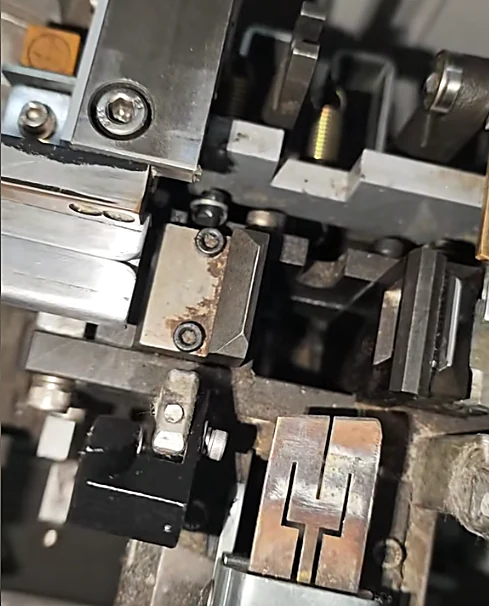
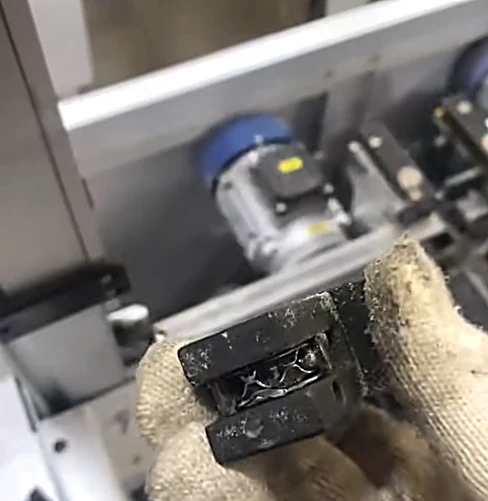
Increased Clearance
The shaft or pin starts moving more than it should. This is one of the most common signs of bushing wear.
Excessive Shaft or Pin Movement
If a pivot or linkage develops noticeable play, check the bushing and the mating shaft or pin.
Abnormal Noise
New clicking, knocking or squeaking can indicate wear, poor lubrication or a change in clearance.
Uneven Movement
A mechanism that used to move smoothly may start to stick, move unevenly or lose its normal position.
Visible Wear
Scoring, deformation or excessive wear on the bushing surface is a clear reason to inspect the complete bearing position.
More Frequent Lubrication
If the bushing needs lubrication more often than before, the material or bearing construction may no longer suit the application.
Shaft or Pin Wear
Do not check only the bushing. A worn bushing can allow the shaft or pin to move against the wrong part of the bearing surface.
If the clearance is already affecting machine movement, replacing the bushing early is usually easier than repairing the parts around it.
What Happens If You Keep Running a Worn Bushing?
A worn bushing can cause problems beyond the bearing itself.
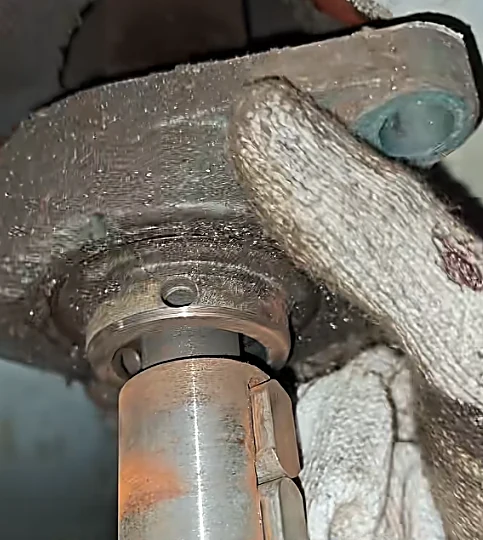
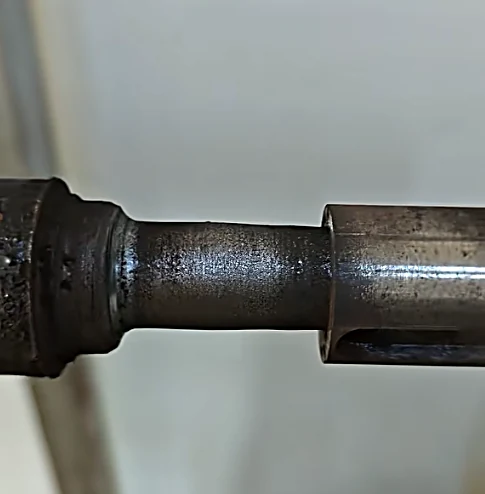
- Bushing Wear
- More Clearance
- Shaft or Pin Movement
- Poor Positioning
- Uneven Load
- Shaft / Pin Wear
- More Downtime
When clearance increases, the shaft or pin may no longer run in the position intended by the machine designer.
That can lead to:
- uneven contact
- increased vibration
- faster wear of the shaft or pin
- inaccurate movement
- damage to mating parts
- unplanned maintenance
For a packaging machine, the cost is not limited to the replacement bushing.
A small worn bushing can eventually affect the part it supports and the mechanism around it.
A low-cost bushing problem can become a shaft, pin or machine downtime problem.
What Is Causing Your Bushing Problem?
Replacing the same bushing again and again does not always solve the problem. The working conditions may need to be checked first.
Frequent Bushing Replacement?
Possible causes include:
- unsuitable bearing material
- excessive load
- excessive speed
- incorrect clearance
- poor lubrication
- shaft or housing problems
What to do:
Check the actual load, movement, speed, lubrication and mating surfaces before choosing the replacement bushing.
Grease Is Difficult to Apply?
Some machine positions are difficult to reach or cannot be lubricated regularly.
For these positions, a self-lubricating or solid lubricated bushing may be worth considering, depending on the load, speed and temperature.
High Load at a Slow-Moving Joint?
High-load pivot points need a bearing material that can handle the load without excessive wear.
Depending on whether lubrication is available, bimetal or solid lubricated constructions may be considered.
High-Speed Rotation?
Speed changes the requirements for the bearing.
For rotating positions, check:
- shaft speed
- load
- temperature
- lubrication
- required service life
Sintered or composite bushings may be suitable depending on the actual conditions.
Frequent Cleaning or Wet Conditions?
If the machine is frequently exposed to water or cleaning agents, the bearing material and mating components need to be considered together.
The right choice depends on the cleaning method, exposure time, temperature and lubrication conditions.
Different Positions Need Different Bushings?
That is normal.
A packaging machine may have:
- dry-running guides
- high-load pivots
- rotating rollers
- repeatedly actuated linkages
There is no need to force all of these positions into the same bushing material.
GLARY supplies different bearing constructions for different working conditions.
Which GLARY Products Fit This Position
The five GLARY product families cover different operating conditions.
| GLARY Product | Typical Conditions | Possible Packaging Machine Uses |
|---|---|---|
| Composite Bushings | Dry running, low friction, repeated movement | Guides, pivots, linkages |
| Solid Lubricated Bearings | High load, oscillating movement, limited lubrication | Heavy-duty pivots and linkages |
| Bimetal Bearings | High load, lubrication available | Loaded pivots and shafts |
| Sintered Bushings | Rotary movement, self-lubricating operation | Roller and rotating shaft positions |
| Bronze-Wrapped Bushings | Lubricated, robust operating conditions | Selected pivots and shaft positions |

Composite Bushings
A practical choice for many dry-running or low-friction positions. They can be considered for guides, pivots and linkages where repeated movement and limited maintenance are important.
View Composite Bushings →
Solid Lubricated Bearings
Suitable for positions where load is high and regular lubrication is difficult or undesirable. They are particularly useful for slow-moving or oscillating mechanisms.
View Solid Lubricated Bearings →
Bimetal Bearings
A good option for heavily loaded positions where lubrication is available. They can handle high loads in applications with rotary or oscillating movement.
View Bimetal Bearings →
Sintered Bushings
Oil-impregnated sintered bushings can be used for suitable rotary applications where self-lubricating operation and speed are important.
View Sintered Bushings →
Bronze-Wrapped Bushings
Suitable for selected lubricated applications where a robust bronze bearing construction and lubrication pockets are useful.
View Bronze-Wrapped Bushings →The same packaging machine can use several bushing types. Selection should be based on the actual position, not only the machine type.
How Do You Choose the Right Bushing?
The machine name gives you a starting point. It does not give you enough information to select the bushing.
Load
How much load does the bushing carry?
Check:
- radial load
- axial load
- shock load
- static load
- dynamic load
Movement
How does the shaft or pin move?
- Rotary
- Oscillating
- Reciprocating
- Sliding
The same bushing material may perform differently under different types of movement.
Speed
How fast does it move?
For rotating applications, check shaft RPM.
For sliding applications, check sliding speed.
For intermittent mechanisms, also consider how often the movement occurs.
Lubrication
Can the position be lubricated?
- Dry running
- Grease lubricated
- Oil lubricated
- Intermittent lubrication
This is one of the first things to confirm before selecting the bearing construction.
Temperature
Check the actual temperature at the bushing position.
Do not use the general machine temperature if the bearing is located close to a heater, sealing unit or other heat source.
Working Environment
Consider:
- water
- cleaning chemicals
- dust
- humidity
- corrosive conditions
- contamination
The environment can affect both the bushing and the shaft or pin.
Dimensions
For a replacement bushing, provide:
- shaft diameter
- housing diameter
- bushing length
- flange dimensions if applicable
- required clearance
A drawing is even better.
Maintenance Requirements
Ask how often the machine can be stopped for maintenance.
If a bearing position is difficult to access, a self-lubricating construction may be preferable where the operating conditions allow it. See maintenance free bushings for positions that cannot be relubricated.
Need Help Choosing?
Send us the drawing, dimensions and working conditions. We can check the application and recommend a suitable bushing construction.
Send Your DrawingFAQ
Can you manufacture packaging machine bushings according to our drawing?
Yes. We can manufacture bushings based on your drawing, dimensions or specified material and construction.
Can you replace an existing bushing from another supplier?
Yes. If you have the original drawing, part number or dimensions, we can check the specifications and discuss a suitable replacement.
Can one packaging machine use different types of bushings?
Yes. Different positions can have very different loads, speeds, movements and lubrication conditions. Using different bushing constructions on the same machine is normal.
Can you supply both new-machine and replacement bushings?
Yes. We supply bushings for new equipment as well as replacement and maintenance requirements.
Can you provide samples before a production order?
Sample availability depends on the size, construction and quantity required. Contact us with the drawing or specifications and we can check the options.
What should I send when requesting a quotation?
A drawing is preferred. If a drawing is not available, send the shaft diameter, housing diameter, length, quantity and application details you have.
Photos of the existing bushing can also help us understand the part.
Can you supply small quantities for maintenance?
We can discuss small-batch requirements for replacement parts. Please provide the part dimensions, quantity and delivery requirements.
How do you control dimensional consistency between batches?
We control the specified dimensions and material requirements during production and inspection. Inspection requirements can also be discussed before production for projects with tighter specifications.
Need Bushings for Your Packaging Machine?
Send us your drawing, dimensions or existing bushing information. We'll review the application and help you select a suitable bushing construction.
Need Self-Lubricating Bearings?
Contact GLARY for bearing solutions and pricing.