
Valve Stem Bushings for Industrial Valves
Self-lubricating and low-friction bushings for valve stems operating under rotary, reciprocating, or oscillating movement. GLARY supplies custom valve stem bushings for industrial valves, with material options for different loads, speeds, lubrication conditions, temperatures, and operating environments.
Where Does the Valve Stem Bushing Work?

A valve stem bushing is installed around the valve stem to provide a controlled sliding surface between the moving stem and the surrounding support structure.
Depending on the valve design, the bushing may be located in the valve body, bonnet, stem support, or another guiding position. Its exact location and shape depend on how the stem is guided and how the valve is operated.
The bushing is not the sealing element around the stem. Its main job is to guide the stem, support radial loads, and control friction and wear between the moving stem and its support.
What is the bushing actually doing?
When the valve operates, the stem moves relative to the surrounding structure. The bushing provides a replaceable bearing surface between these two components.
Instead of allowing the stem to slide directly against the valve body, bonnet, or support, the bushing controls the contact between the two surfaces.
The bushing supports and guides the stem; the stem packing or seal performs the sealing function.
How Does the Valve Stem Move?
Valve stem movement is one of the first things to check when selecting a bushing.
A stem may rotate, move back and forth, or make a combination of rotary and linear movements depending on the valve design. These movements create different friction, wear, and load conditions at the bushing.
Rotary Movement
Typical: Butterfly, ball and quarter-turn valves
In a rotary valve, the stem turns inside or through the bushing during operation. The movement is usually slow compared with conventional rotating machinery, but the bushing can still experience repeated sliding contact and radial loading.
For these applications, the important factors are not simply rotational speed. Stem load, operating frequency, surface condition, lubrication, and the required operating torque can all affect bushing performance.
Reciprocating Movement
Typical: Gate, globe and some control valves
In a reciprocating application, the stem moves along its axis during valve operation. The bushing therefore experiences repeated sliding rather than continuous rotation.
Even when the movement is relatively slow, repeated strokes can produce wear at the stem-to-bushing interface. Proper clearance, material compatibility, stem surface condition, and lubrication become important when selecting the bushing.
Oscillating / Short-Stroke
Typical: Limited-angle or short-stroke mechanisms
Some valve mechanisms produce limited-angle or short-stroke movement rather than continuous rotation or a long linear stroke. In these applications, the direction of sliding contact can change repeatedly.
Reversal of movement is important when selecting a plain bearing because the sliding interface does not operate under exactly the same conditions as continuous rotation.
But Movement Is Only the Starting Point
Movement alone does not determine the bushing material. A valve stem bushing may operate at low speed, but still see high radial loads, long idle periods, limited lubrication, temperature changes, moisture, or corrosive environments.
The bushing material needs to match the complete operating condition, not just the valve type. A ball valve is always rotary, but a ball valve in seawater service has different bushing requirements from a ball valve handling clean oil at room temperature.
The main factors to consider:
Movement
Rotary, reciprocating, or oscillating
Load
Radial load and side load
Lubrication
Dry, grease, oil, or limited lubrication
Temperature
Normal and peak operating temperature
Environment
Water, seawater, chemicals, dust, or outdoor exposure
Operating frequency
Occasional, regular, or frequent cycling
Choosing the Right Bushing for Your Valve Stem
There is no single bushing material for every valve stem application.
The right choice depends on how the stem moves, how much load the bushing carries, whether external lubrication is available, and the temperature and environment around the valve.
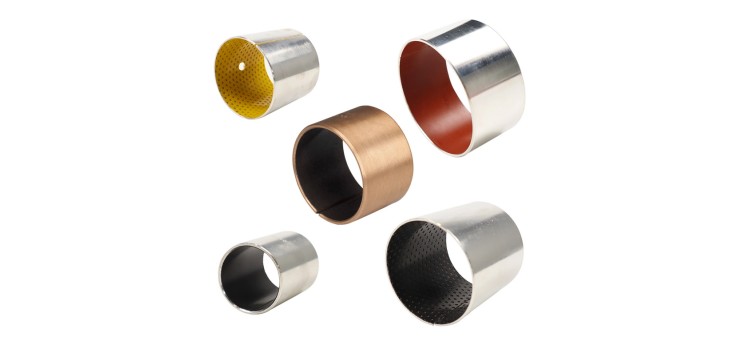
For valve stem applications, GLARY commonly supplies solid lubricated bronze, PTFE composite, and bimetal bushings, with each material suited to different operating conditions.


So Which One Should You Consider?
The valve type alone is not enough to select a bushing. If you have the existing bushing dimensions or valve drawing, we can review the material and design together with the actual operating conditions.
What Do We Need to Select Your Valve Stem Bushing?
The valve model or nominal valve size is a useful starting point, but it is usually not enough to select a replacement stem bushing.
We normally look at the bushing dimensions together with the stem, operating conditions, and installation requirements.
If You Have a Drawing
Send us the drawing.
We can check the bushing dimensions, mounting arrangement, material requirements, and available design options from the drawing.
If You Are Replacing an Existing Bushing
Existing bushing information can be especially useful. If known, provide:
If the current bushing is failing, a photo of the worn bushing can also help. Common symptoms: excessive wear, clearance, stem scoring, high torque, corrosion, cracking, deformation, short service life.
Don't Have All the Data?
That's fine. Send us any of the following:
We can identify the missing information from there.
If You Don't Have a Drawing
The existing bushing or a few key dimensions may be enough for an initial review.
Bushing dimensions may include:
Operating Conditions
Stem Movement
Rotary, reciprocating, oscillating, or a combination of movements.
Load
Radial load, side load, or other load acting on the bushing. If exact load is not available, valve size, stem diameter, actuator information, or existing bearing details may help.
Operating Frequency
How often does the valve operate? A valve that moves a few times per year has very different bearing requirements from a control valve that cycles frequently.
Lubrication
Is the bushing greased, oil lubricated, or expected to operate dry? Also let us know if the bushing is difficult to access for regular lubrication.
Temperature
Provide the normal and peak operating temperatures when available.
Environment
Tell us about water, seawater, chemicals, dust, outdoor exposure, steam, or other conditions around the bushing. If the valve handles process media, it helps to know whether the bushing is exposed to the surrounding medium.
Common Valve Designs and What Changes for the Bushing?
The valve name tells you what the valve does, but it does not tell you exactly what the stem bushing needs to do.
Two valves with the same nominal size can have different stem arrangements, bushing locations, and operating conditions. For this reason, the bushing should be selected from the actual stem movement, support arrangement, load, and installation space.

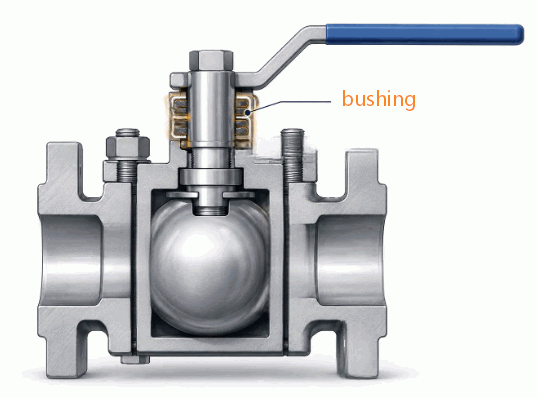
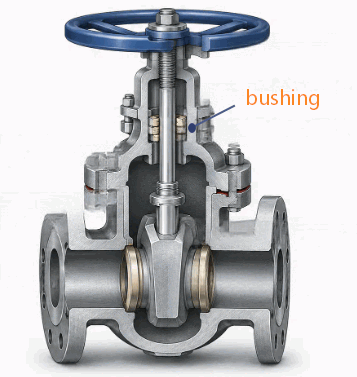
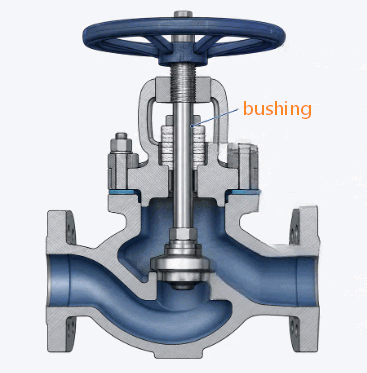
The Valve Type Is Only the Starting Point
Butterfly, ball, gate, and globe valves can all use different bushing arrangements. The important question is not simply “What type of valve is it?”
It is: How does the stem move, where is it supported, what load reaches the bushing, and under what conditions does the sliding interface operate?
That information is what allows the bushing material, dimensions, clearance, and lubrication requirements to be evaluated correctly.
Why Does a Valve Stem Bushing Wear Too Quickly?
A valve stem bushing can wear prematurely even when the bushing dimensions appear correct.
In many cases, the problem is not simply the bearing material. The actual cause may be excessive load, poor alignment, unsuitable stem surface condition, insufficient lubrication, or operating conditions that are different from the original design.
Excessive or Uneven Load
If the stem is not properly supported or side loading is higher than expected, the bushing may carry more load than intended. This can lead to localized wear rather than uniform wear around the bushing.
Check:
Stem Surface Problems
The bushing and stem work as a sliding pair. The condition of the stem surface therefore directly affects bushing life. A rough, damaged, corroded, or improperly finished stem can increase friction and accelerate wear.
When investigating premature wear, check the stem for:
Replacing the bushing without checking the mating stem may not solve the underlying problem.
Insufficient or Unsuitable Lubrication
Some valve stem bushings operate with grease or oil, while others are designed for dry or limited-lubrication conditions.
If a lubricated bushing is operated without sufficient lubrication, friction and wear can increase. On the other hand, adding grease to a bearing designed for dry running does not automatically improve performance.
The lubrication method should match the bushing material and the actual operating conditions.
Incorrect Clearance
The clearance between the stem and bushing affects both movement and wear.
Too little clearance can increase friction and make the stem difficult to operate, particularly when temperature changes cause thermal expansion.
Too much clearance can allow excessive stem movement, increase uneven loading, and affect the guiding function of the bushing.
For replacement bushings, the clearance should be considered together with the stem diameter, operating temperature, material combination, and movement.
Corrosion and Contamination
Valve stems may operate outdoors or in environments containing water, seawater, chemicals, dust, or process contamination.
Corrosion or contamination can change the condition of the sliding surfaces and accelerate wear.
For these applications, the bushing material should not be selected independently from the stem material and surrounding environment.
Frequent Valve Cycling
A valve that operates several times a year has very different bushing requirements from a valve that cycles continuously.
Frequent cycling increases the total sliding distance over the service life and can make wear, friction, and lubrication more important.
For control or frequently operated valves, provide the expected number of cycles when discussing a replacement bushing.
Installation and Alignment
Even a suitable bushing can perform poorly if it is installed incorrectly. Possible problems include:
If a replacement bushing fails much sooner than expected, it is worth checking the installation and alignment before simply changing to a different material.
When a Bushing Fails Early, Look at the Whole Sliding System
A valve stem bushing does not work independently. The bushing, stem, load, clearance, lubrication, temperature, environment, and installation all form one sliding system.
If you are replacing a worn valve stem bushing, providing information about how the previous bushing failed can be just as useful as providing its dimensions.
For example, excessive clearance, stem scoring, high operating torque, corrosion, or short service life can point to different areas that need to be checked.
Valve Stem Bushing Designs and Custom Features
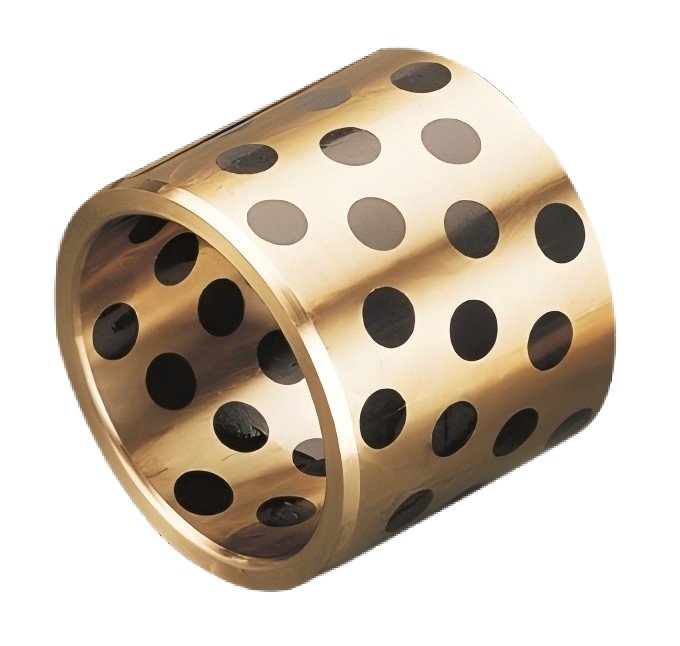
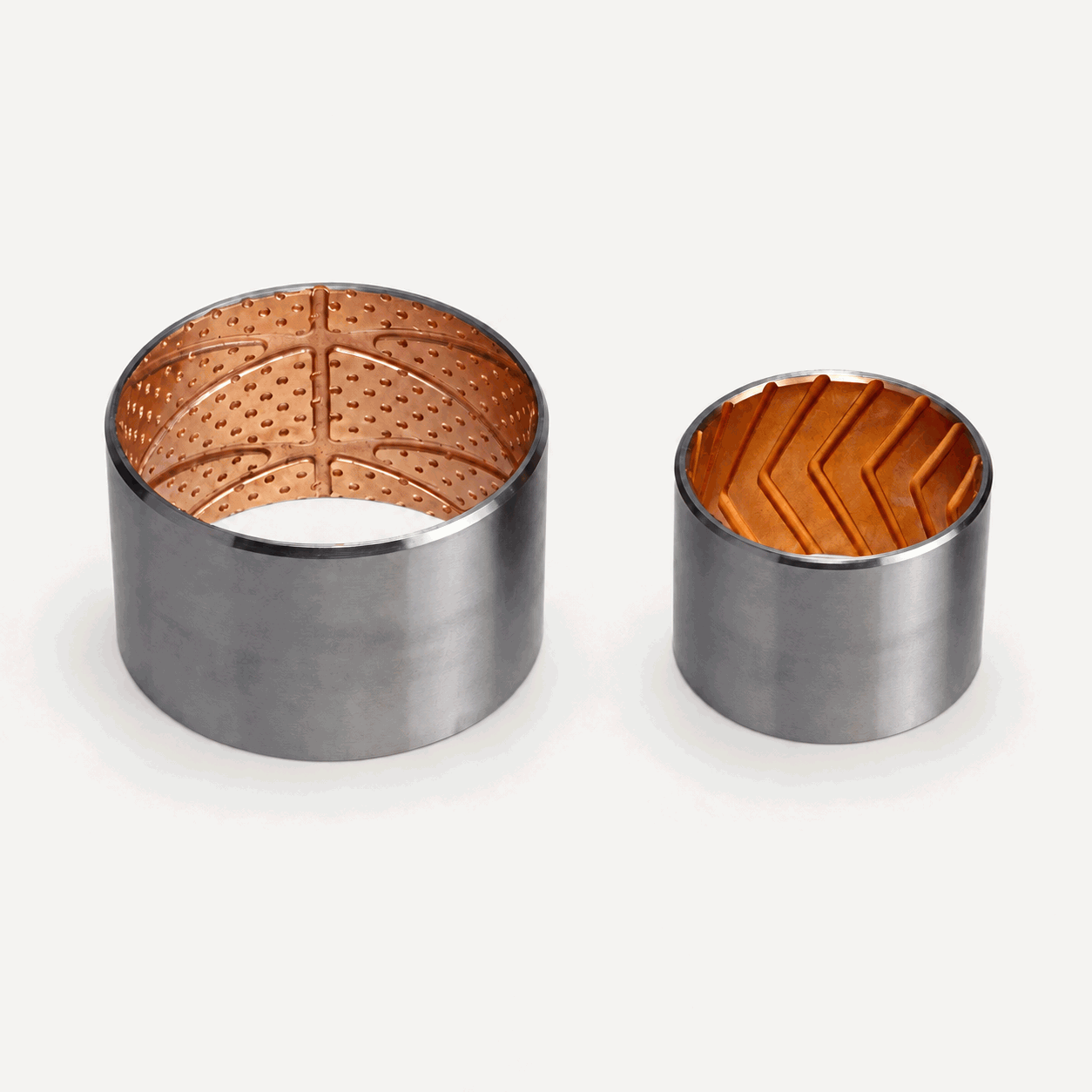
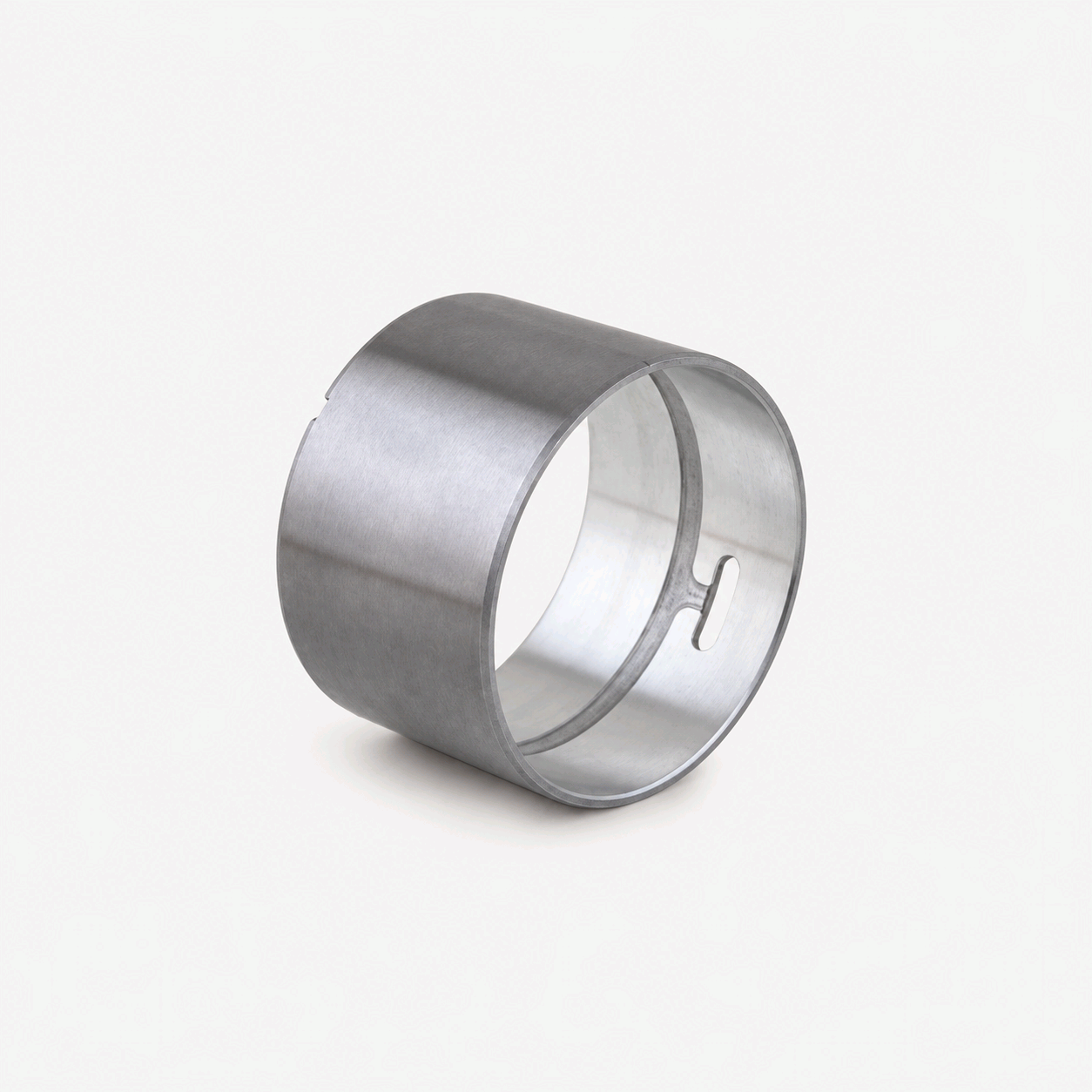
Valve stem bushings are not always simple straight sleeves.
Depending on the valve construction, the bushing may need a flange, groove, lubrication hole, step, or other feature to fit the surrounding structure and control its position.
The basic cylindrical bushing is only one possible design.



Non-Standard Dimensions
Valve manufacturers and valve repair companies may require dimensions that do not correspond to a standard catalog size.
GLARY can evaluate custom dimensions based on an existing bushing, drawing, sample, or application requirements.
When Replacing an Existing Bushing
If you are replacing an existing valve stem bushing, keeping the original geometry can be important. A useful replacement package may include:
Existing bushing dimensions + stem dimensions + installation details + operating conditions
If possible, send the original drawing or a dimensional sketch. If no drawing is available, the existing bushing can also provide useful information — measurements of ID, OD, length, flange, grooves, and lubrication features give us a starting point.
The goal is not simply to reproduce the old bushing. If the original experienced excessive wear, high torque, corrosion, or short service life, the operating conditions should also be reviewed before selecting the replacement material and clearance.
Replacing a Valve Stem Bushing: What Should You Check?
Replacing a valve stem bushing is not always a matter of matching the original dimensions.
A replacement bushing needs to fit the valve correctly, but it also needs to work with the existing stem and operating conditions. If the original bushing wore out prematurely, simply reproducing the same material and dimensions may not solve the problem.
1Check the Existing Bushing
Start with the bushing itself. Record the basic dimensions and features:
If possible, keep the worn bushing until the replacement has been reviewed. Wear patterns can provide useful information about the actual operating condition.
2Check the Valve Stem
The stem is the mating surface of the bushing and should be checked at the same time. Look for:
If the stem is already damaged, installing a new bushing alone may only provide a temporary solution.
3Check Why the Original Bushing Failed
The condition of the old bushing can provide clues:
The failure pattern is often more useful than simply knowing how long the bushing lasted.
4Check the Actual Operating Conditions
The replacement should be evaluated against the conditions in which the valve actually operates. Important information includes:
A bushing that works in an occasionally operated valve may not suit a valve that cycles continuously.
5Confirm the Required Clearance
The replacement should not simply be made to the same nominal ID without considering the actual stem diameter and operating conditions. Running clearance can be affected by:
6Decide Whether to Keep the Original Material
If the original bushing performed well and the application has not changed, retaining the same material may be appropriate.
If it had a short service life, excessive wear, high friction, or lubrication problems, review the application conditions rather than automatically copying the original material.
A change from a lubricated metallic bushing to a dry-running composite, or between metallic materials, should be evaluated against load, movement, temperature, stem condition, and required service life.
A Replacement Should Match the Application, Not Just the Old Part
For a straightforward replacement, the original drawing and dimensions may be enough to reproduce the bushing. For a failed or frequently replaced bushing, the more useful approach is to review:
Bushing geometry + stem condition + operating conditions + failure history
This gives a better basis for deciding whether the replacement should simply reproduce the existing part or use a different material, clearance, or design.
Valve Stem Bushing FAQ
Frequently Asked Questions
What is the difference between a valve stem bushing and a valve stem seal?
A valve stem bushing supports and guides the stem while it moves — it provides a sliding bearing surface and helps control friction and wear. A valve stem seal or packing is used to control leakage along the stem. They perform different functions, although both may be located around the valve stem.
Can a valve stem bushing run without grease?
Yes, depending on the bushing material and operating conditions. PTFE composite and solid lubricated bronze bushings can be used in applications where little or no regular external lubrication is required.
A bushing should not be assumed suitable for dry running simply because it is called self-lubricating. Load, speed, temperature, stem condition, and required service life still need to be checked.
Can you make valve stem bushings from a drawing?
Yes. A drawing is one of the most useful ways to specify a valve stem bushing. It can define dimensions, tolerances, material, flange, grooves, lubrication holes, retaining features, and other requirements.
If no drawing is available, the existing bushing and key dimensions can also be used as a starting point.
Can you make a replacement valve stem bushing from an existing sample?
Yes. An existing bushing provides useful information about its geometry, material, and installation. If the original bushing has failed, also provide information about the wear pattern and operating conditions. This allows the replacement to be reviewed rather than simply copied dimension for dimension.
What material is suitable for a valve stem bushing?
There is no single material for every valve stem application. Solid lubricated bronze suits high-load, low-speed, intermittent applications where lubrication is difficult. PTFE composite is for low friction and dry running within the material's load and temperature limits. Bimetal suits higher-load, thin-wall applications with oil or grease lubrication. The final selection depends on the complete operating conditions.
Are valve stem bushings used in butterfly valves?
Yes, valve stem bushings or bearing elements can be used in butterfly valve stem support arrangements. The exact position and design depend on the valve construction. The bushing requirement should be determined from the actual stem diameter, support arrangement, load, movement, and operating conditions rather than the valve type alone.
Are valve stem bushings used in gate and globe valves?
They can be, depending on the valve design. Gate and globe valves can use different stem guiding and support arrangements, so the bushing location, dimensions, and movement should be checked from the actual valve construction.
What information do you need for a valve stem bushing quotation?
The most useful information includes: bushing drawing or dimensions, stem diameter, material if known, valve type and model, stem movement, operating temperature, load if available, lubrication condition, operating frequency, working environment, and required quantity.
If some information is unavailable, send the drawing, existing bushing, or available dimensions first — the missing details can be identified during the application review.
Can GLARY supply non-standard valve stem bushings?
Yes. Valve stem bushings can be produced with non-standard dimensions and features based on the required application. These may include special ID or OD dimensions, different lengths, flanges, grooves, lubrication holes, shoulders, and other retaining features. The design should be reviewed together with the installation arrangement and operating conditions.
Need a Valve Stem Bushing for Your Valve?
Send us your valve drawing, existing bushing dimensions, sample, or available operating conditions.
GLARY can review the stem movement, load, lubrication, temperature, environment, and bushing design to help identify a suitable material and configuration.
Send Your DrawingNeed Self-Lubricating Bearings?
Contact GLARY for bearing solutions and pricing.
Need Self-Lubricating Bearings?
Contact GLARY for bearing solutions and pricing.